Understanding the psychological effects of gambling why it’s more than just chance
The Illusion of Control
Many gamblers believe they can influence the outcome of games, a phenomenon known as the illusion of control. This mindset can lead players to engage in more risky behaviors, thinking they can sway odds in their favor. Engaging with platforms such as an anonymous crypto casino may further amplify this belief, as it blends chance with a perceived sense of control through technology. Such beliefs are particularly prevalent in activities like poker or sports betting, where skill and strategy seem to play a significant role.

This false sense of agency can be psychologically comforting, providing a feeling of empowerment in what is fundamentally a game of chance. However, this can result in compulsive gambling behaviors, as individuals chase the thrill of winning, convinced that their actions can alter the results.
The Role of Cognitive Biases
Cognitive biases significantly impact gambling behavior, often clouding judgment and decision-making. One common bias is confirmation bias, where individuals only pay attention to outcomes that affirm their beliefs about luck or skill. Gamblers might recall their wins while dismissing losses, creating a skewed perception of their actual success rate.
Another prevalent cognitive bias in gambling is the gambler’s fallacy, the mistaken belief that past events can influence future probabilities. For instance, a player may think that a particular slot machine is “due” for a payout after a series of losses. These biases can lead to misguided strategies and increased losses, ultimately affecting a person’s mental health.
The Emotional Rollercoaster of Gambling
The psychological journey of a gambler often resembles an emotional rollercoaster, characterized by highs and lows. The thrill of winning can induce feelings of euphoria, while losses may lead to depression, anxiety, and frustration. This emotional volatility can create a cycle of gambling, as individuals seek to recapture those euphoric highs, often ignoring the potential for significant negative consequences.
This emotional connection to gambling can be particularly dangerous. It may cause individuals to overlook their financial responsibilities and personal relationships, as they become increasingly consumed by the chase for the next win. Understanding this emotional aspect is crucial for anyone involved in gambling, whether for entertainment or as a potential problem.
The Social Aspect of Gambling
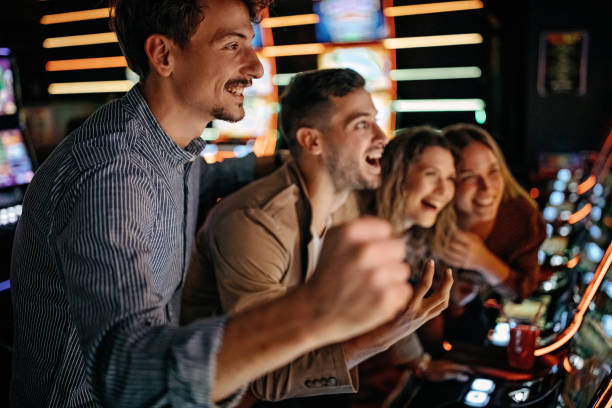
Gambling often occurs in social settings, enhancing its appeal through shared experiences. This social interaction can provide a sense of community and belonging, particularly in venues like casinos or betting shops. The camaraderie among players can make the experience more enjoyable, which may lead to repeated visits and increased gambling activities.
However, the social aspect can also mask problematic behaviors. Group dynamics might encourage excessive gambling, as individuals try to keep up with friends or feel pressured to participate in risky behaviors. Recognizing the social influences at play is essential for understanding the broader impact of gambling on individuals and communities.
Resources and Support for Gamblers
For those struggling with gambling-related issues, numerous resources are available. Support groups, counseling, and educational programs can help individuals understand their behaviors and develop healthier coping strategies. Recognizing the psychological aspects of gambling is the first step toward recovery.
Additionally, websites dedicated to gambling awareness provide valuable information and support networks. These platforms can guide individuals in assessing their gambling habits and finding appropriate resources for help, emphasizing the importance of addressing the psychological effects alongside practical solutions.